Respirators: Face Seal
On this page:
- Overview
- Summary
- How you can share your feedback
- How your contributions make a difference
- Learn more
The public hearing process concluded April 24, 2026.
Overview
- What: Face seal terminology
- Who: Workers who use respirators as protective personal equipment to protect against airborne contaminants and employers who will be required to ensure an effective seal is maintained.
- Why: To remove the term “clean shaven” and update the regulation with alternative language that reflects the intent and maintains current health and safety requirements.
- Key topics: Respirators, Personal Protective Equipment, PPE, face seal
Summary
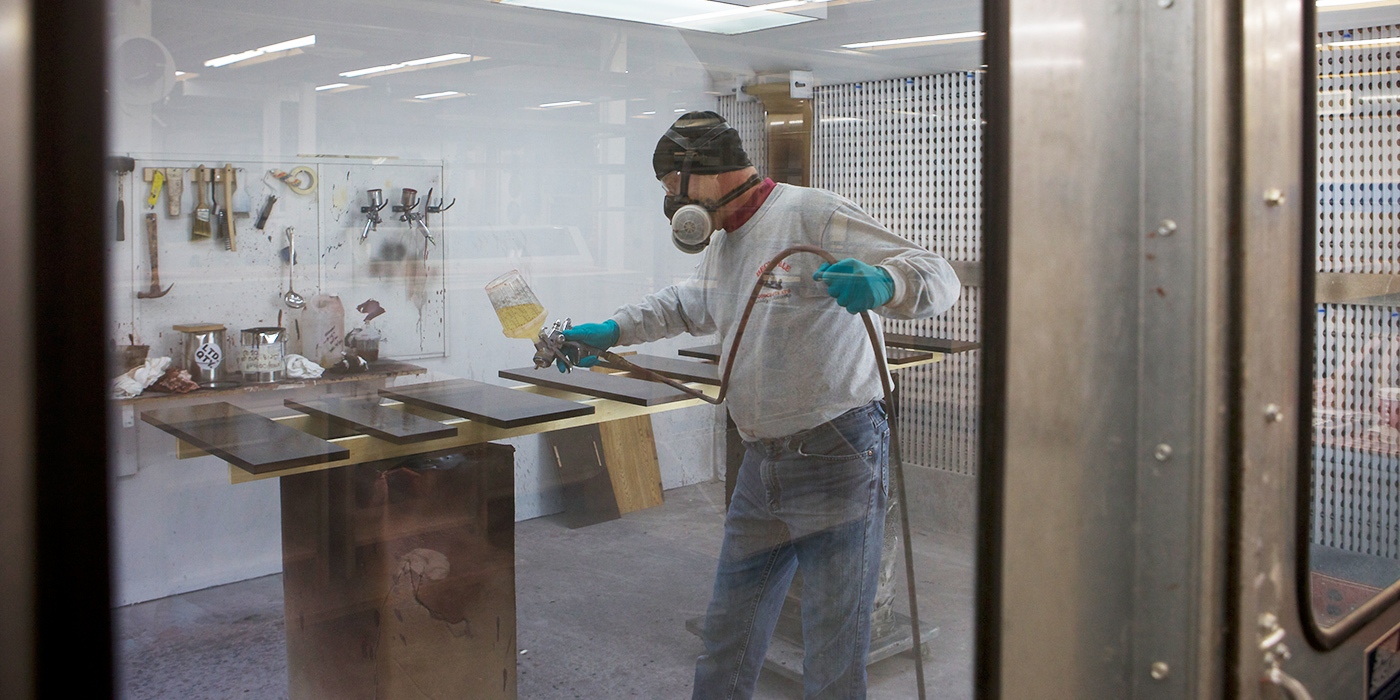
Tight-fitting respirators protect workers by forming an effective seal between the face and the sealing surface of the respirator to prevent contaminated air from entering a worker’s respiratory system. If the seal is compromised, the respirator may not provide adequate protection. Anything that interferes with the seal, such as facial hair, clothing, jewelry, or eyewear, can reduce protection and put workers at risk.
WorkSafeBC is proposing updates to the Occupational Health and Safety Regulation to clarify requirements for respirators that rely on a face seal to work properly. The proposed changes replace the term “clean shaven” with wording that aligns with language found in the current standard for selection, use, and care of respirators (CSA Z94.4-18) and focuses on whether an effective seal can be achieved and maintained. These changes do not affect the current fit testing protocol.
These updates are further revisions following a public hearing held in November 2025 and reflect feedback received. The amendments clarify that employers are responsible for ensuring nothing interferes with the seal when a tight-fitting respirator is required. The updates do not change existing health and safety requirements or fit-testing standards. Respirators that do not rely on a face seal, such as some loose-fitting powered air-purifying respirators with hoods or helmets, are not affected by these changes. For an overview of respirator selection and the hierarchy of controls, please see below under “Learn More.”
How you can share your feedback
Thank you for your engagement. The public hearing process is now complete. Your feedback will be provided to the Board of Directors for consideration.
How your contributions make a difference
During the previous engagement period, several alternative approaches were raised to accommodate workers with facial hair, including specialized escape devices, loose-fitting equipment, and experimental beard-management techniques. WorkSafeBC values the feedback shared and recognizes the importance of exploring safe and practical options that reflect workers’ lived experiences.
We carefully reviewed these approaches, including their certification status, approved use, and supporting evidence. Some of the devices discussed are approved for specific, limited purposes, such as emergency escape, and are not designed or certified for other job tasks. Some of the devices are also loose fitting and are not impacted by this section of the Regulation. Other approaches, including beard-management techniques, remain experimental and are not supported by internationally recognized standards, manufacturer instructions, or sufficient academic evidence.
WorkSafeBC continues to engage with other jurisdictions to monitor research and emerging evidence for any future developments in this area. Your continued feedback will help shape updated regulations on tight-fitting respirators.
Learn more
To learn more about the proposed amendments, please review the detailed information package.
For more information about respirator selection under understanding seal requirements, please review this brief overview.